Can paper stop bullets?
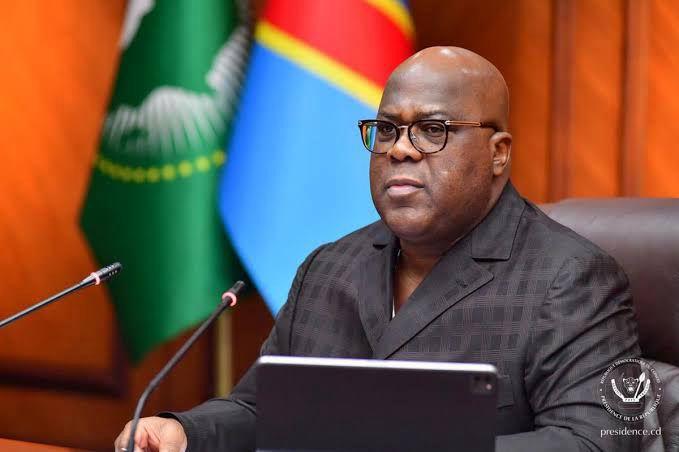
It’s the question every Congolese mother, father, child, and displaced survivors silently asked on December 4, 2025, while Presidents Félix Tshisekedi and Paul Kagame smiled for cameras thousands of kilometres away. In Washington, they called it historic. But if you are following the conflict closely, or you listen to voices from Rutshuru, Masisi, Sake, Goma, Bukavu and beyond, the reaction is very different. People were running for their lives at the same time; again.
The contrast was heartbreaking: moments of celebration at the top, while ordinary Congolese continue to bear the weight of decisions shaped by ambitions, fears, and failures far beyond their control. This agreement feels more like a diplomatic show than a turning point. A peace made in the comfort of Washington, while the real war rages at home.
A Deal Full of Promises, Empty of Guarantees
The Washington Agreement promise neutralisation of the FDLR, Rwanda’s defensive disengagement, and a glittering regional economic plan. Beautiful words, Beautiful paragraphs, Beautiful signatures. But anyone who knows this conflict knows the truth: the document avoids every difficult question. Nothing is clearly defined; No timelines, no verification, no transparency, no accountability. The text is full of diplomatic language and political acrobatics, but empty of binding commitments. Rwanda links any withdrawal to FDLR neutralisation; the DRC leadership accepts this circular trap, as if it hasn’t failed the country enough already. None of these pillars answers the real question: who will enforce what, and how?
And perhaps the most shocking omission: the AFC/M23 Rebel coalition group, currently occupying territories in the eastern DRC; is barely addressed. Its fate is pushed to other parallel talks in DOHA, creating a maze of processes with no clear chain of responsibility. How do you sign a peace deal in the middle of a war without naming or addressing the root causes of the main group doing the fighting? Yes, the Agreement mention it by passing, that’s not strategy; that’s avoidance. No wonder people in the eastern DRC didn’t celebrate, they didn’t see peace, they saw denial.
Kinshasa’s Role in This Illusion
The DRC leadership, which has failed repeatedly to secure its own borders or protect its own population, has once again accepted an agreement that leaves the hardest questions unanswered. Let’s be honest: the Congolese government did not walk into Washington with strength. It walked in weakened, divided, and desperate to claim a diplomatic “victory” that could distract from its own failures on the battlefield.
For years, Kinshasa has watched the country burn and responded with speeches, press conferences, and blame-shifting. The state’s absence in many parts of eastern Congo is not an accident; it’s the result of years of mismanagement, corruption, and populist quick fixes.
Kigali’s Multifaceted Approach
Rwanda meanwhile, arrived at the table with a clear playbook. While the FDLR remains a security concern for Rwanda, it is often invoked as a convenient reference point; used as a standing justification that can overshadow the broader regional dynamics shaped by competition for influence and strategic leverage. Kigali knows exactly what it is doing, Kinshasa does not, and Washington does not understand. That is why the agreement is full of conditionalities that favour Rwanda and full of holes that keep the DRC vulnerable. It is a peace built on sand, and Kigali knows how to move sand.
A Ceremony That Will Change Nothing on the Ground
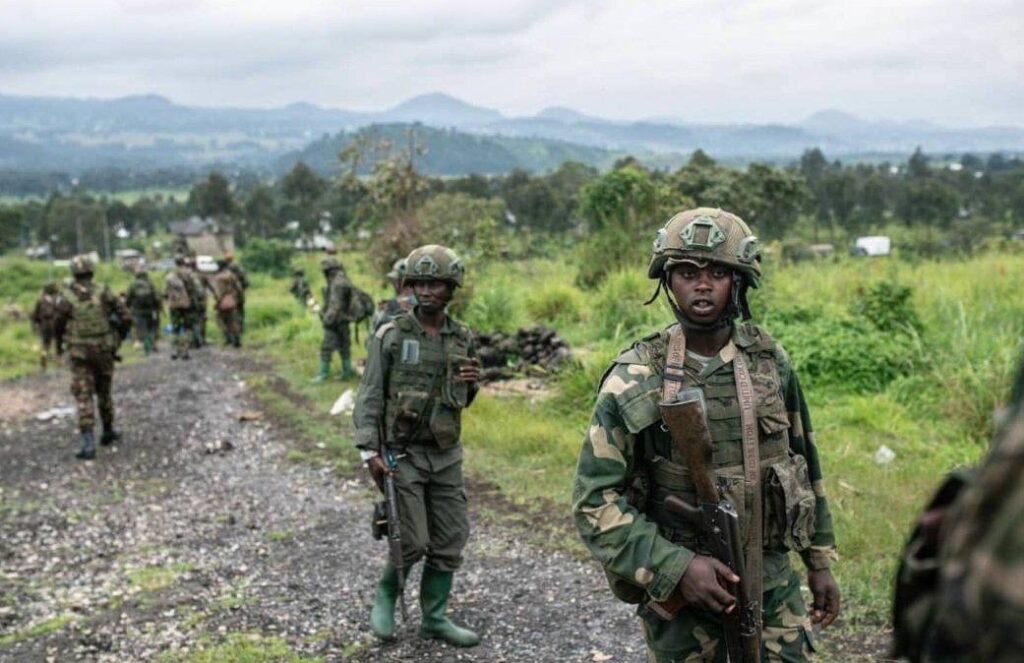
While leaders enjoyed Washington’s comfort, residents in Kamanyola, eastern DRC spent that same night hiding from gunfire. Rebels didn’t retreat, civilians didn’t return home, the Congolese state didn’t suddenly regain control of anything, Kinshasa will definitely return to its political theatre and its usual mix of declarations and confusion; a familiar pattern of weakness that has cost the country so much, Kigali meanwhile, willl continue with its quiet but assertive strategy, influencing events that are often felt more than only seen. And in the end, it’s the ordinary Congolese who will once again be left to carry the weight of decisions made for above them.
It’s hardly surprising; the success of this peace agreement depends on a level of goodwill and discipline that neither the DRC nor Rwanda has consistently shown in the past. The DRC government talks about sovereignty, yet repeatedly fails to act like a state capable of enforcing it. A peace ceremony thousands of kilometres away does not erase institutional decay in Kinshasa or erase the realities of a war that has outpaced the government’s capacity; and, frankly, its courage.
Let’s not pretend otherwise: the Washington process is also about minerals as much as it is about peace. The economic pillar is the only part that is clear, detailed, and immediately actionable. It is the backbone of the entire process; it’s the engine. The rest is fog. For populations who have watched Congo’s natural resources benefit everyone except themselves, the message feels familiar: powerful actors negotiate, while communities pay the price.
The secrecy of the negotiations, civil society and Victims were not consulted, the absence of parliamentary approval on the side of the DRC government only deepen mistrust. Yet global investors already see opportunity.
Yes, Some Say It’s a Step Forward; But How Far Can a Country Walk on Weak Legs? Supporters of the Kinshasa regime claim that the Agreement create momentum, but momentum means nothing when the DRC’s own leadership keeps stumbling. Mismanagement, corruption, and inconsistent security strategy have hollowed out the country. Even a strong agreement would struggle to survive; this one isn’t even strong.
Conclusion
Congo has seen many agreements, many signatures, many promises, but the eastern part continues to bury its children. Washington may have celebrated a diplomatic success, but peace is not built on applause. it is built on honesty, courage, sacrifice, and leadership willing to put human life above political comfort. Peace won’t come from signatures; especially not from some leaders who keep failing their own people. The Washington peace agreement might be historic on paper, but paper has never protected a single Congolese family, not once.
The real test is not the signature; it is what happens tomorrow, six months from now, and without independent verification; these commitments risk becoming another quiet entry in the long archive of failed agreements; ceremonies will remain ceremonies, and the war will remain the war. So, we return to the only questions that matters: How can peace emerge when those meant to defend the nation have repeatedly failed it? Can a document signed in Washington stop bullets in the eastern DRC? Anyone living the reality already knows the answer. And it certainly wasn’t written in the signed peace agreement.